>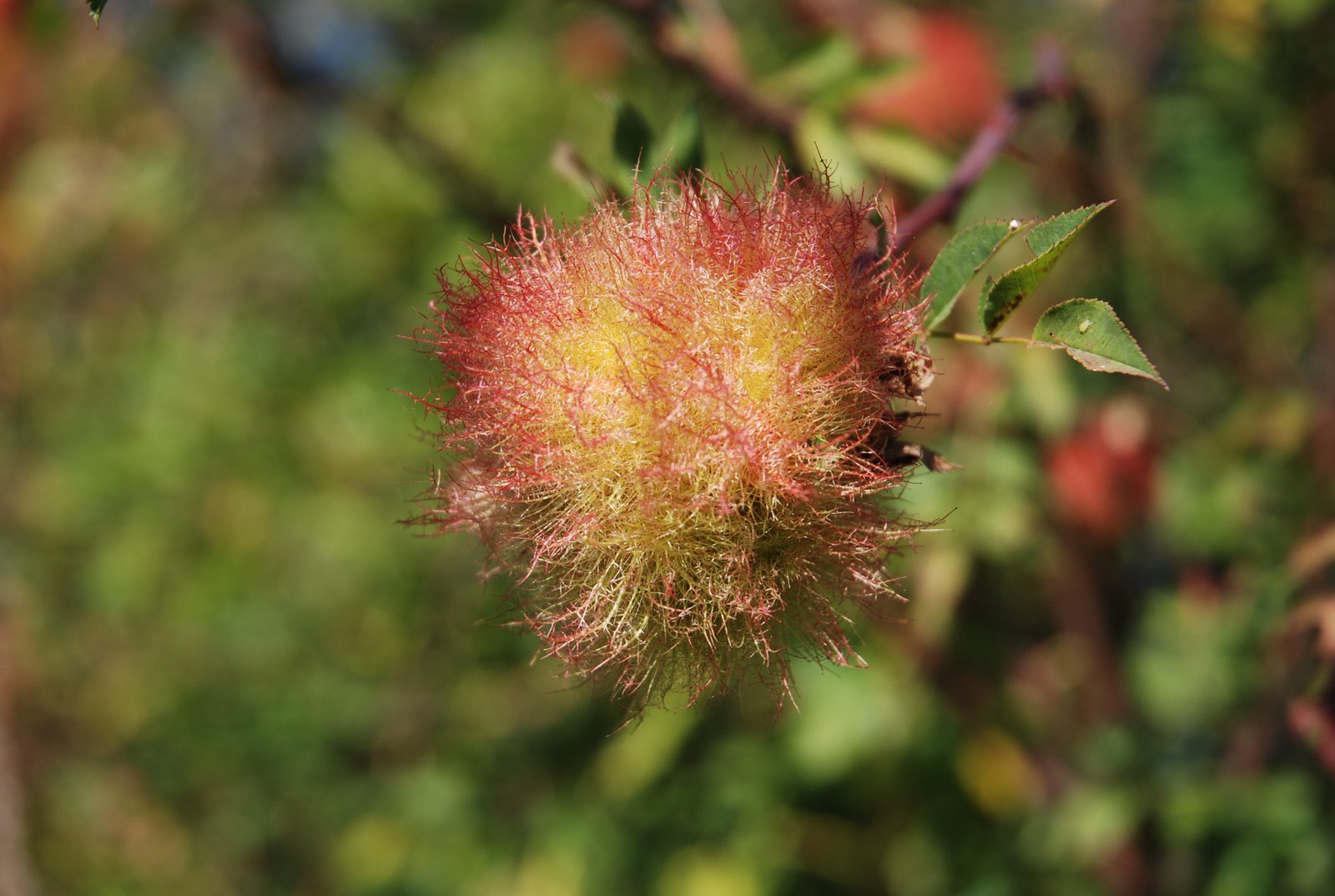 What organisms cause galls?
Most galls are caused by fungi (particularly rusts and smuts) or invertebrates. Prominent among the latter are aphids, mites, psyllids, gall-midges (Cecidomyiidae), gall-flies (Tephritidae), gall-wasps (Cynipidae) and sawflies, but a wide range of other invertebrates are included. Galls can also be caused by viruses, bacteria and phytoplasmas.
Where can I find galls?
Almost anywhere that plants grow. Galls can occur on the stems, leaves, flowers, fruits, seeds and roots of plants, and a wide variety of plants are affected, including many very common species. Oaks and willows are particularly rich in galls.
That’s all very interesting, but are they actually GOOD for something…?
 Mainz Daily Photo